Services → Energy Modeling
Energy Modeling Services
Building performance simulation, pipe system analysis, daylighting studies, and life cycle cost evaluation — using IESVE and industry-standard tools to support design decisions with data.
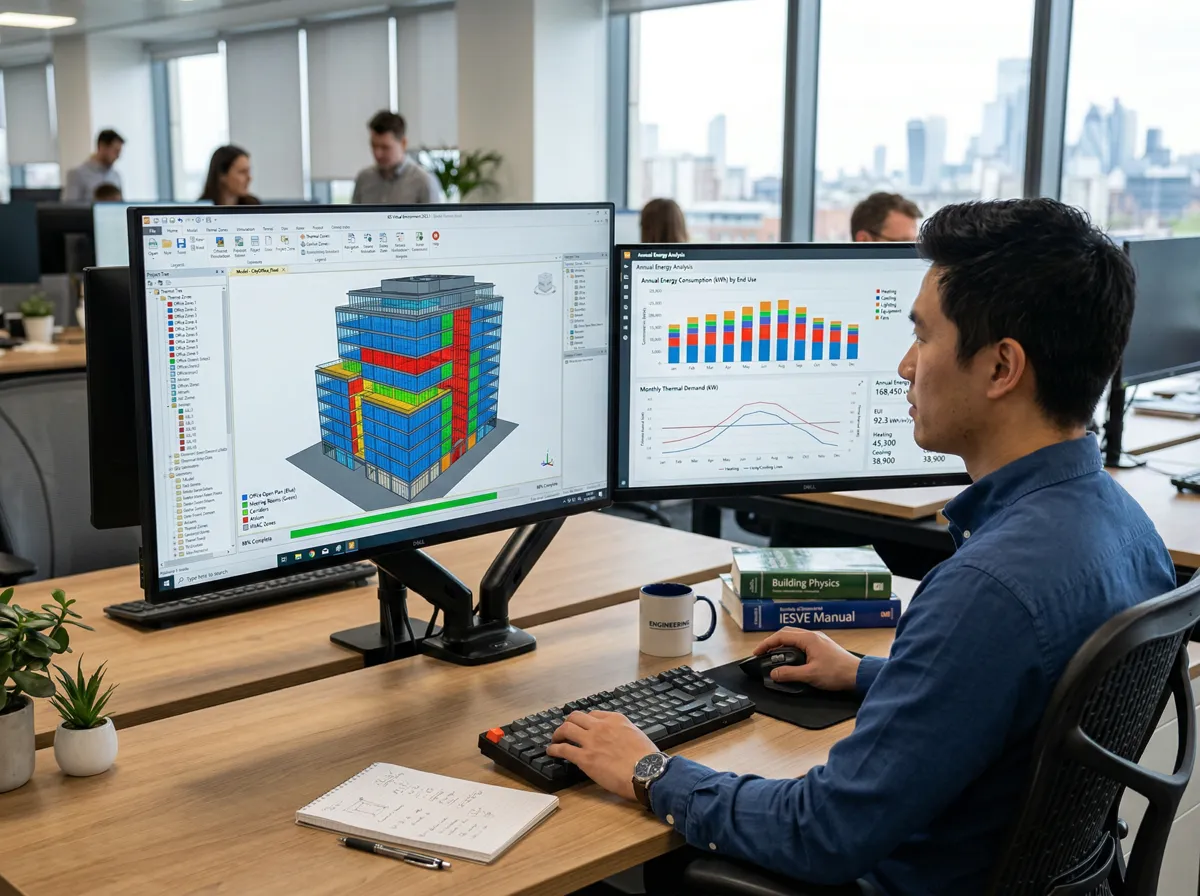
HVAC Energy Modeling
Whole-building energy simulation for performance compliance and system optimization. We model HVAC systems in IESVE to evaluate energy use, compare design alternatives, and produce permit-ready compliance documentation for ASHRAE 90.1 and California Title 24. Over a decade of modeling experience across laboratories, higher education, commercial, and healthcare facilities.
- Whole-building energy simulation (IESVE)
- ASHRAE 90.1 Appendix G / Performance Rating Method
- Title 24 performance approach compliance
- System comparison and optimization studies
- Annual energy cost projections
Compressible Fluid Pipe Modeling
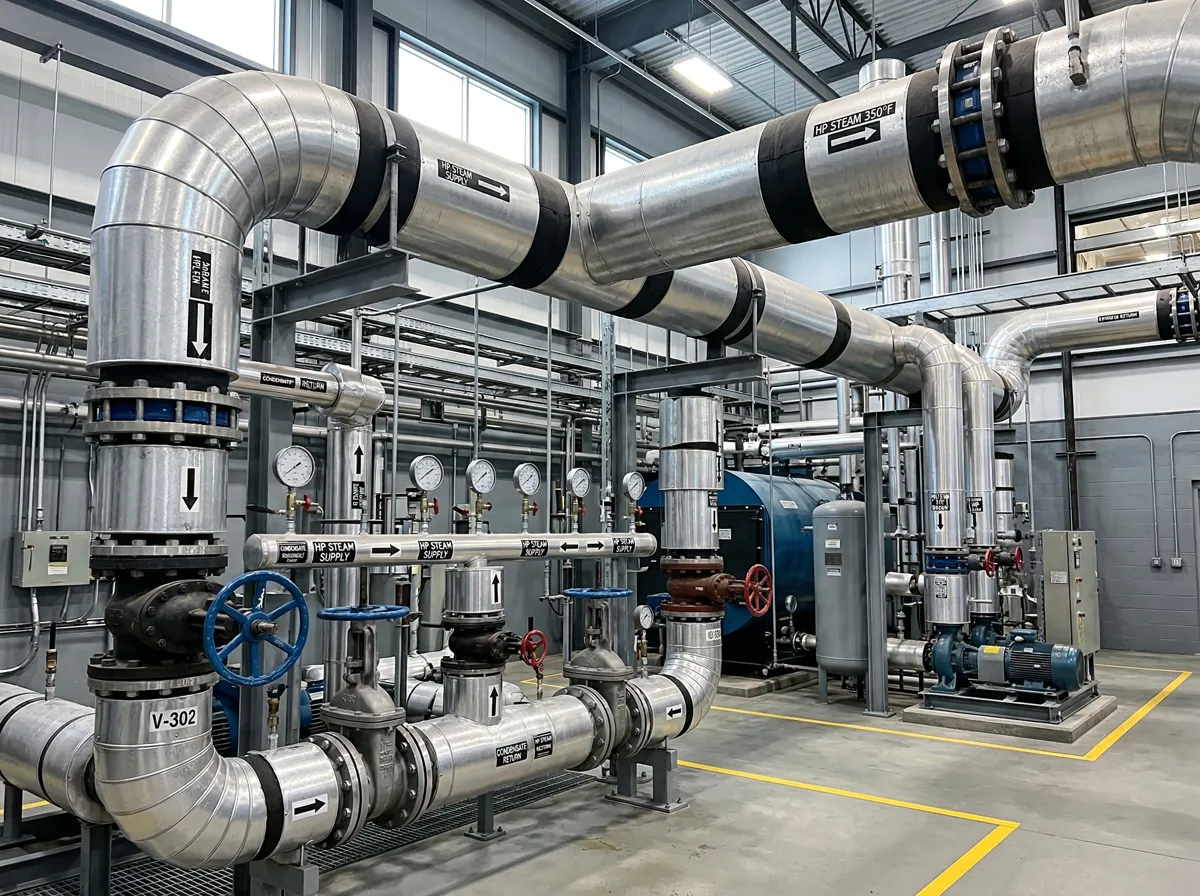
Simulation and analysis of high-pressure gas and steam piping systems. We model compressible fluid behavior to properly size piping, evaluate pressure drop across distribution networks, and verify system performance under varying load conditions — critical for laboratory gas systems, campus steam distribution, and industrial process piping.
- Steam distribution system modeling
- Laboratory gas piping analysis
- Pressure drop and flow distribution calculations
- Pipe sizing verification for high-pressure systems
- System capacity and expansion analysis
Non-Compressible Fluid Pipe Modeling
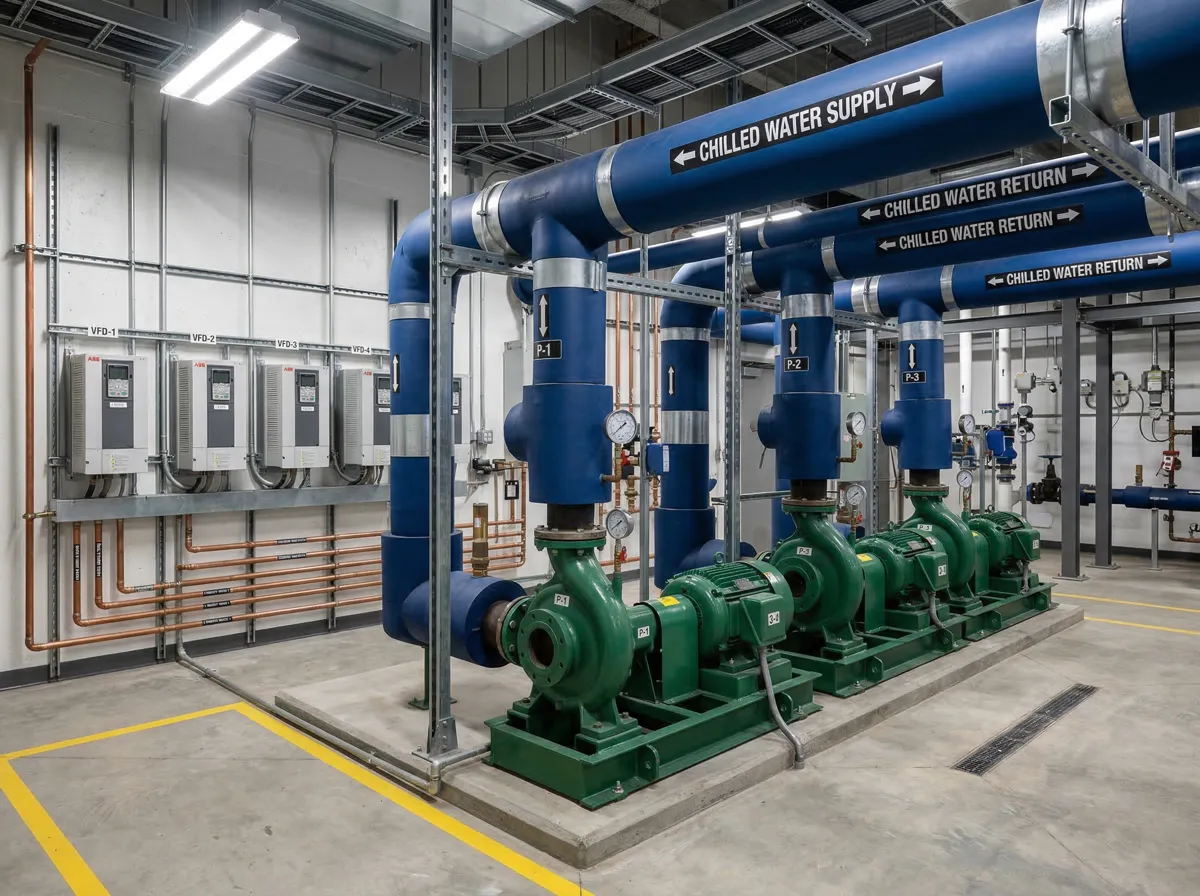
Hydraulic modeling of chilled water, hot water, condenser water, and domestic water systems. We evaluate pipe sizing, pump head requirements, flow balancing, and system performance to ensure reliable hydronic distribution — from central plant loops to terminal unit connections.
- Chilled and hot water loop modeling
- Domestic water system sizing and analysis
- Pump head and flow balancing calculations
- Condenser water system evaluation
- System performance under part-load conditions
Daylighting Analysis
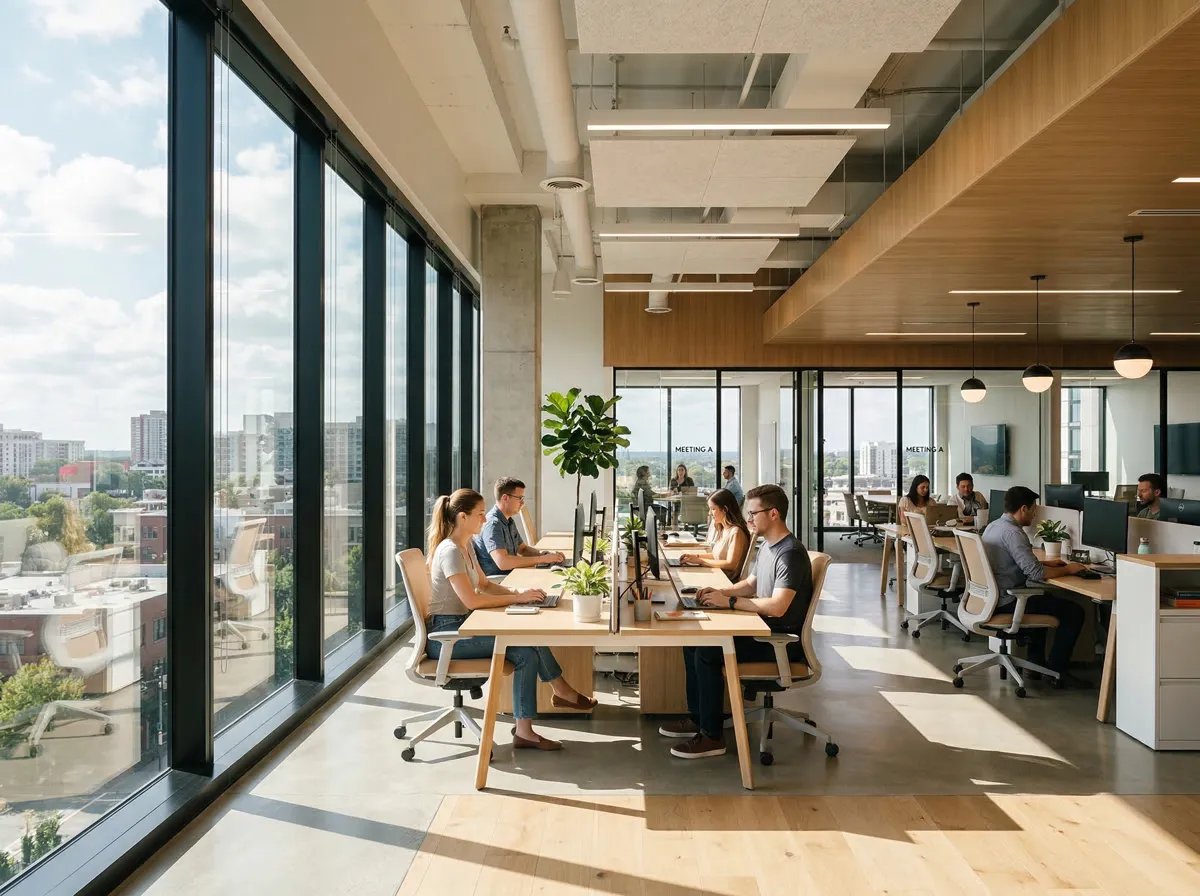
Annual and point-in-time daylight simulation for architectural spaces. We model spatial daylight autonomy (sDA), annual sunlight exposure (ASE), and daylight factor to evaluate glazing performance, shading strategies, and interior layout decisions — supporting LEED v4.1 daylighting credits and Title 24 daylighting requirements.
- Spatial Daylight Autonomy (sDA) analysis
- Annual Sunlight Exposure (ASE) evaluation
- LEED v4.1 EQ Daylight credit documentation
- Title 24 daylighting compliance support
- Shading and glazing performance comparison
Glare Analysis
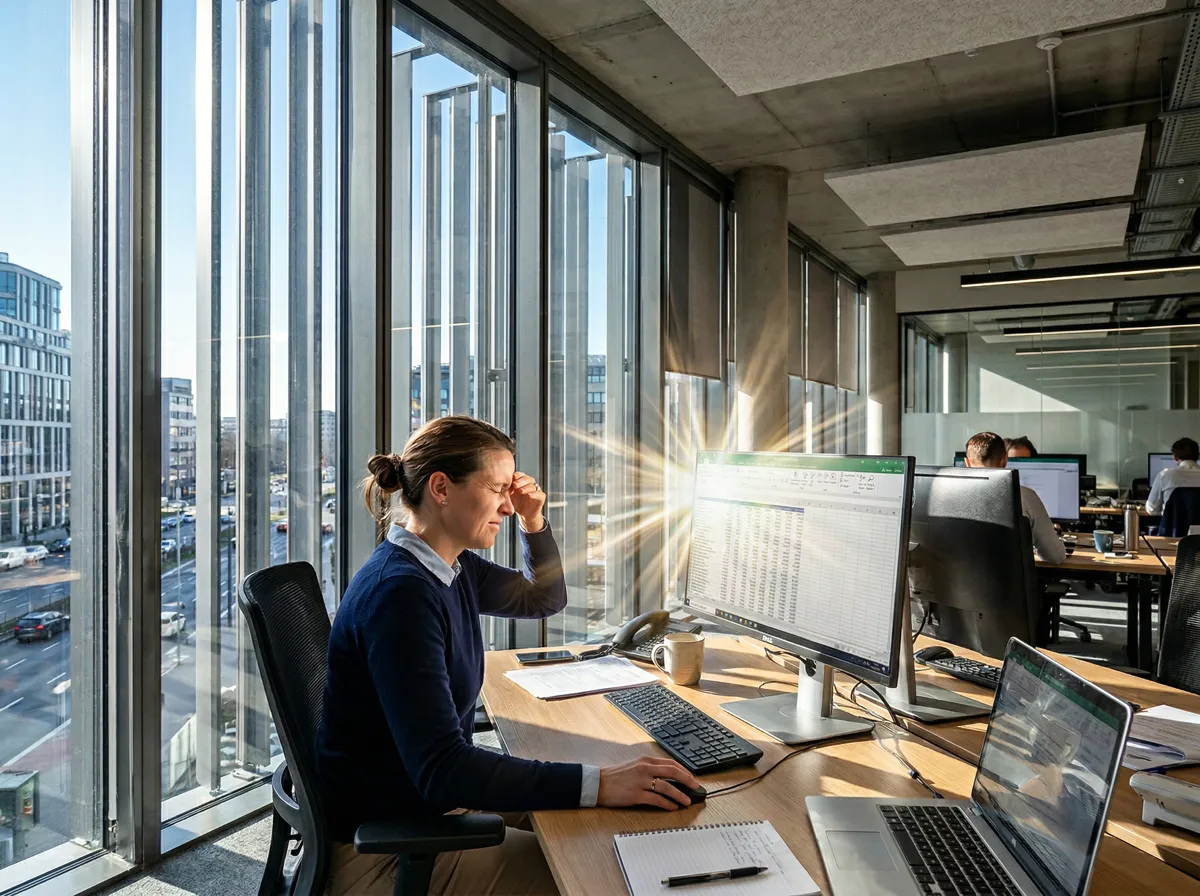
Visual comfort and glare probability studies for occupied spaces where screen use, patient care, or focused work demands controlled daylight. We model Daylight Glare Probability (DGP) and Unified Glare Rating (UGR) to identify problem zones and evaluate mitigation strategies — shading devices, glazing tints, interior finishes — before construction.
- Daylight Glare Probability (DGP) modeling
- Unified Glare Rating (UGR) evaluation
- Point-in-time glare renderings
- Shading strategy comparison and optimization
- Occupant comfort zone mapping
Life Cycle Cost Analysis
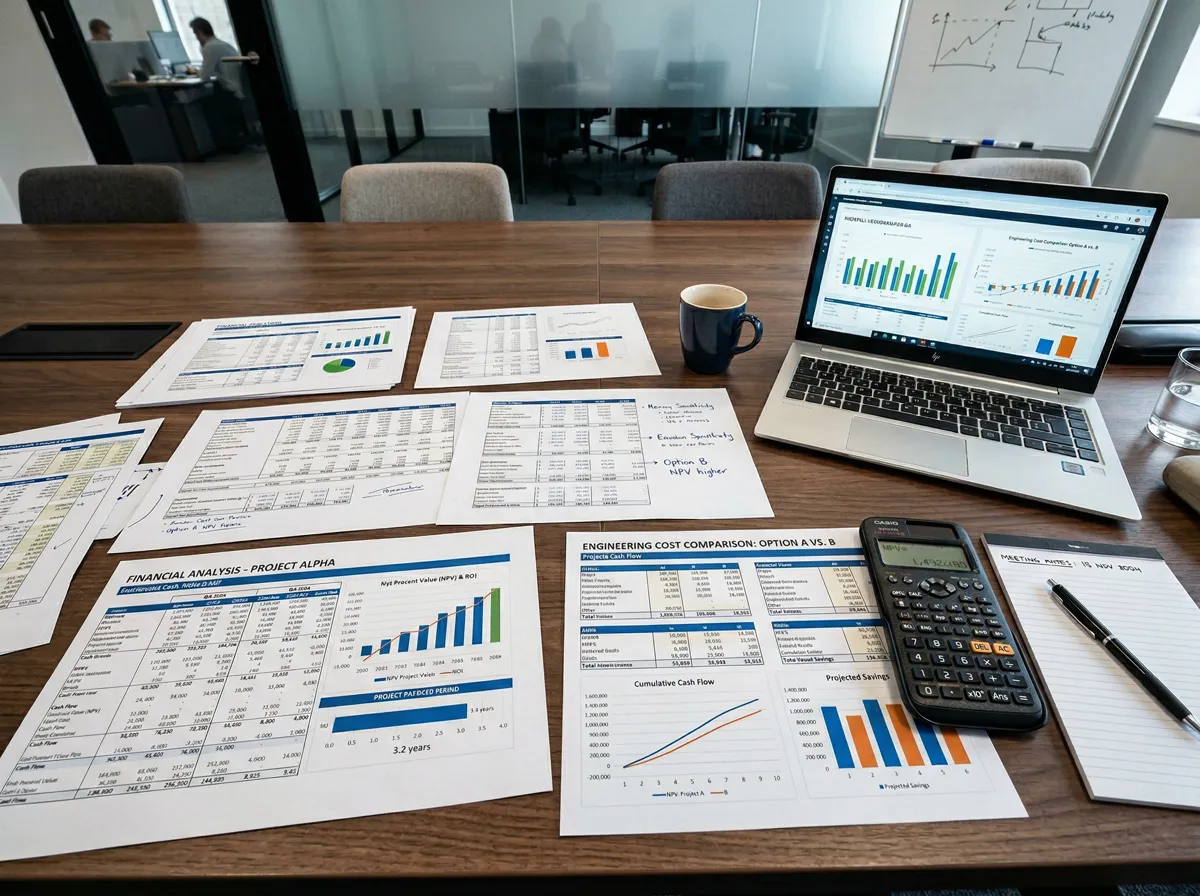
Long-term cost comparison of MEP system alternatives — evaluating first cost, annual energy expense, maintenance burden, and replacement cycles over the building's expected life. We produce clear side-by-side comparisons so owners, developers, and architects can make informed investment decisions backed by data rather than assumptions.
- Net present value (NPV) comparison of MEP alternatives
- Energy cost projections with escalation rates
- Maintenance and replacement cycle analysis
- Simple payback and ROI calculations
- Executive summary with recommendation
Need a Custom Modeling Scope?
Every project has different performance questions. Reach out and we'll scope the right analysis for your needs.
Get in Touch